Reptile Care Specialists in Santa Fe: Your Guide to Reptile Veterinarian Services
Taking care of reptiles is a unique and rewarding experience. These fascinating creatures require special attention, and finding the right care can sometimes feel overwhelming. If you live in Santa Fe and have a scaly friend at home, you’re in the right place. I want to share everything I’ve learned about reptile care specialists and veterinarian services in this beautiful city. Whether you have a gecko, a bearded dragon, or a snake, this guide will help you understand how to keep your reptile healthy and happy.
Why Reptile Veterinarian Services Matter
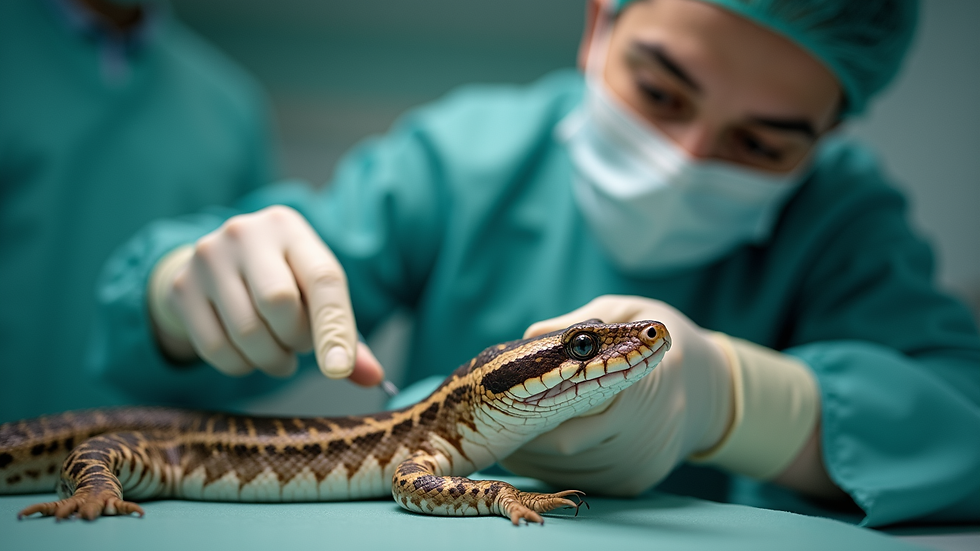
Reptiles are not like cats or dogs. Their needs are very specific, and their health issues can be quite different. That’s why reptile veterinarian services are so important. These specialists understand the unique biology and behavior of reptiles. They know how to spot subtle signs of illness that might be missed by a general vet.
For example, did you know that reptiles often hide their pain or discomfort? A reptile vet can perform thorough exams and recommend the right diet, habitat setup, and medical care. This kind of expertise can make a huge difference in your pet’s quality of life.
If you ever need expert help, I recommend checking out a reptile vet santa fe for trusted and compassionate care. They offer mobile services, which means your reptile can be treated in the comfort of your own home - a huge plus for reducing stress.

What is a Vet for Reptiles Called?
You might wonder, what exactly do you call a vet who treats reptiles? The answer is a herpetological veterinarian or simply a reptile veterinarian. These professionals specialize in reptiles and amphibians. They have additional training beyond general veterinary medicine to handle the unique challenges these animals present.
Herpetological vets are skilled in diagnosing and treating common reptile ailments such as metabolic bone disease, respiratory infections, parasites, and skin problems. They also provide guidance on proper husbandry, which is crucial for preventing many health issues.
When you visit a reptile vet, expect a calm and patient approach. These vets understand that reptiles can be shy or stressed by handling, so they work gently and efficiently.
How to Choose the Right Reptile Care Specialist in Santa Fe
Finding the right reptile care specialist can feel like a big task, but it doesn’t have to be. Here are some tips to help you choose the best care for your scaly companion:
Look for Experience and Credentials
Make sure the vet has experience with reptiles and proper certification. Many vets list their specialties on their websites or social media pages.
Ask About Services Offered
Some vets provide mobile services, which can be less stressful for your pet. Others have clinics with specialized equipment for reptiles.
Check Reviews and Recommendations
Hearing from other reptile owners in Santa Fe can be very helpful. Look for positive feedback about the vet’s knowledge and bedside manner.
Consider Location and Availability
Convenience matters, especially if your reptile needs urgent care. A local specialist who can respond quickly is ideal.
Evaluate Communication Style
You want a vet who explains things clearly and listens to your concerns. Good communication builds trust and helps you care better for your pet.
By following these steps, you’ll feel confident that your reptile is in good hands.
Essential Tips for Everyday Reptile Care
Taking your reptile to a specialist is important, but daily care at home is just as crucial. Here are some practical tips to keep your reptile thriving between vet visits:
Maintain Proper Temperature and Humidity
Reptiles are cold-blooded and rely on their environment to regulate body temperature. Use heat lamps, under-tank heaters, and humidity gauges to create the perfect habitat.
Provide a Balanced Diet
Different reptiles have different dietary needs. Some eat insects, others need leafy greens or fruits. Research your species and consult your vet for the best feeding plan.
Keep the Habitat Clean
Regularly clean the enclosure to prevent bacteria and parasites. Remove waste daily and disinfect the habitat weekly.
Offer Enrichment and Hiding Spots
Reptiles enjoy exploring and feeling secure. Add branches, rocks, and hides to mimic their natural environment.
Monitor Behavior and Health
Watch for changes in appetite, activity, or appearance. Early detection of problems can save your pet’s life.
These simple steps can make a big difference in your reptile’s well-being.
When to Seek Veterinary Care for Your Reptile
Knowing when to call a reptile vet can be tricky. Reptiles often hide signs of illness, so it’s important to be vigilant. Here are some warning signs that mean it’s time to get professional help:
Loss of appetite lasting more than a day or two
Lethargy or unusual hiding
Swelling or lumps on the body
Difficulty shedding skin
Changes in stool or urination
Respiratory issues like wheezing or open-mouth breathing
Visible wounds or injuries
If you notice any of these symptoms, don’t wait. Contact a reptile vet santa fe promptly. Early treatment can prevent serious complications.
Remember, regular check-ups are also a good idea. Even if your reptile seems healthy, a vet can catch potential problems before they become serious.
Building a Strong Relationship with Your Reptile Vet
One of the best things you can do for your reptile is to build a strong, ongoing relationship with your vet. This partnership helps ensure your pet gets the best care possible. Here’s how to make the most of it:
Keep Records
Maintain a file with your reptile’s medical history, diet, and habitat details. Share this with your vet during visits.
Ask Questions
Don’t hesitate to ask about anything you’re unsure of. Vets appreciate engaged and informed owners.
Follow Recommendations
Stick to the treatment plans and care advice your vet provides. Consistency is key to your reptile’s health.
Schedule Regular Visits
Even healthy reptiles benefit from routine exams. These visits help catch issues early.
Stay Informed
Keep learning about your reptile’s species and care needs. The more you know, the better you can advocate for your pet.
By working closely with your reptile care specialist, you’ll create a supportive environment for your pet to flourish.
Caring for reptiles is a special journey that requires knowledge, patience, and the right support. Santa Fe offers excellent reptile veterinarian services that can help you provide the best life for your scaly friends. Whether you’re new to reptile ownership or a seasoned enthusiast, remember that expert care is just a call away. Your reptile deserves the best, and with the right guidance, you can enjoy many happy years together.


Comments